
Did you know that colorectal cancer is almost entirely preventable when precancerous polyps are detected and removed during colonoscopy? Despite this remarkable preventive capability, widespread misconceptions continue to deter people from this life-saving procedure. Current colonoscopy techniques have evolved significantly, making the procedure safer and more comfortable than most people realize. The gap between perception and reality often stems from outdated information or secondhand accounts that don’t reflect current medical practices.
The procedure involves inserting a flexible tube with a camera through the rectum to examine the entire colon, allowing doctors to detect and remove polyps before they develop into cancer. This direct visualization provides information that other screening methods may not offer.
The Preparation Is Unbearable
The Reality: Modern bowel preparation solutions taste better than older formulations, and multiple options exist to suit different preferences. Current preparations include low-volume solutions requiring only 2 liters of fluid instead of the previous 4-liter requirements. Split-dose regimens, where you drink half the solution the evening before and half the morning of the procedure, may improve both tolerability and bowel cleansing effectiveness.
The preparation diet has also become less restrictive. You can consume clear liquids including apple juice, clear broths, gelatin, and even coffee without milk throughout the preparation day. Some preparations now allow a light breakfast the day before the procedure, followed by clear liquids. The actual cleansing effect typically begins 1-2 hours after starting the solution and subsides within 4-6 hours.
Refrigerating the solution and drinking it through a straw positioned toward the back of your mouth may reduce taste perception. Following each glass with a clear liquid chaser like ginger ale or lemon-lime soda may help. Walking around between doses may promote bowel movement and reduce bloating. Applying petroleum jelly before bowel movements may help prevent irritation.
The Procedure Is Painful
The Reality: Sedation during colonoscopy creates a comfortable experience where most patients have no memory of the procedure. Conscious sedation using medications like midazolam and fentanyl maintains your ability to breathe independently while reducing discomfort and creating amnesia for the procedure. The medications work within 30-60 seconds of administration.
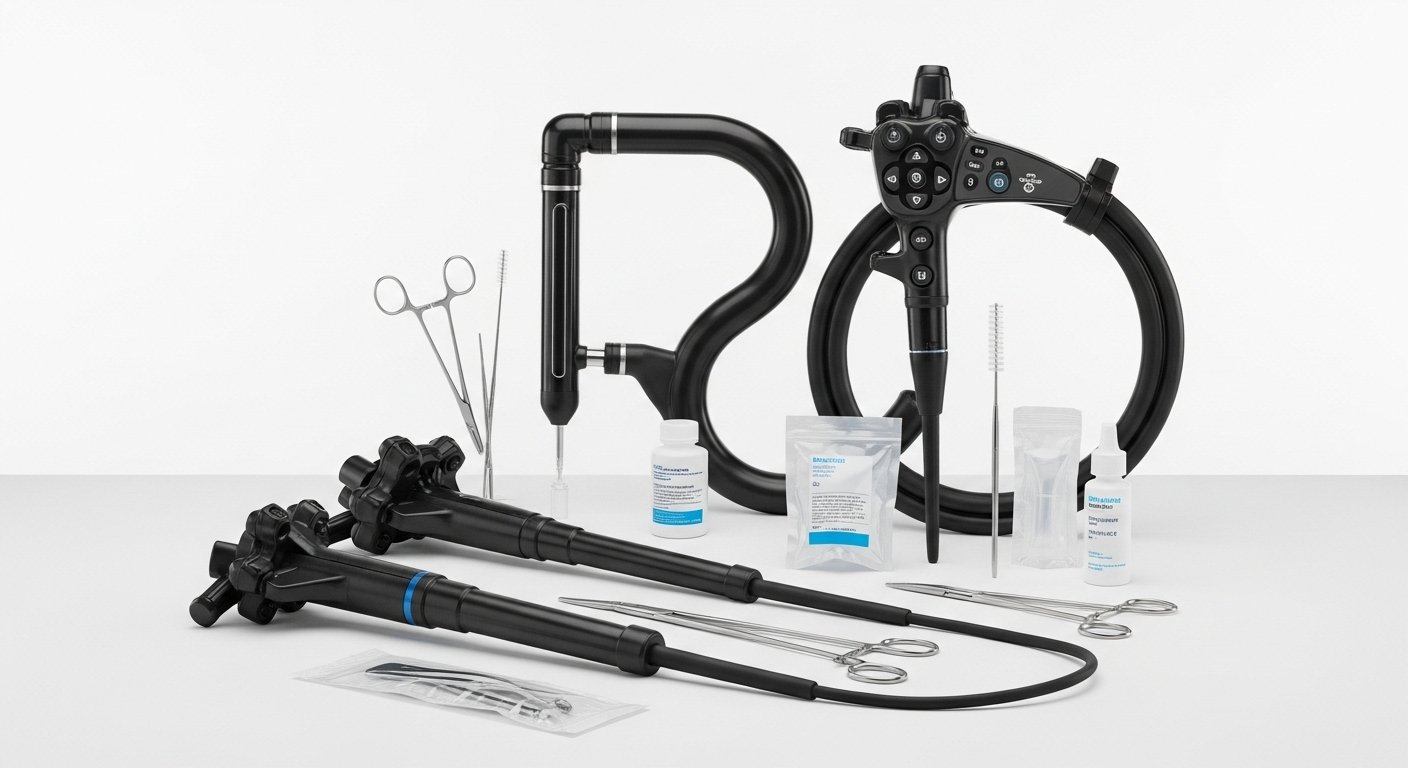
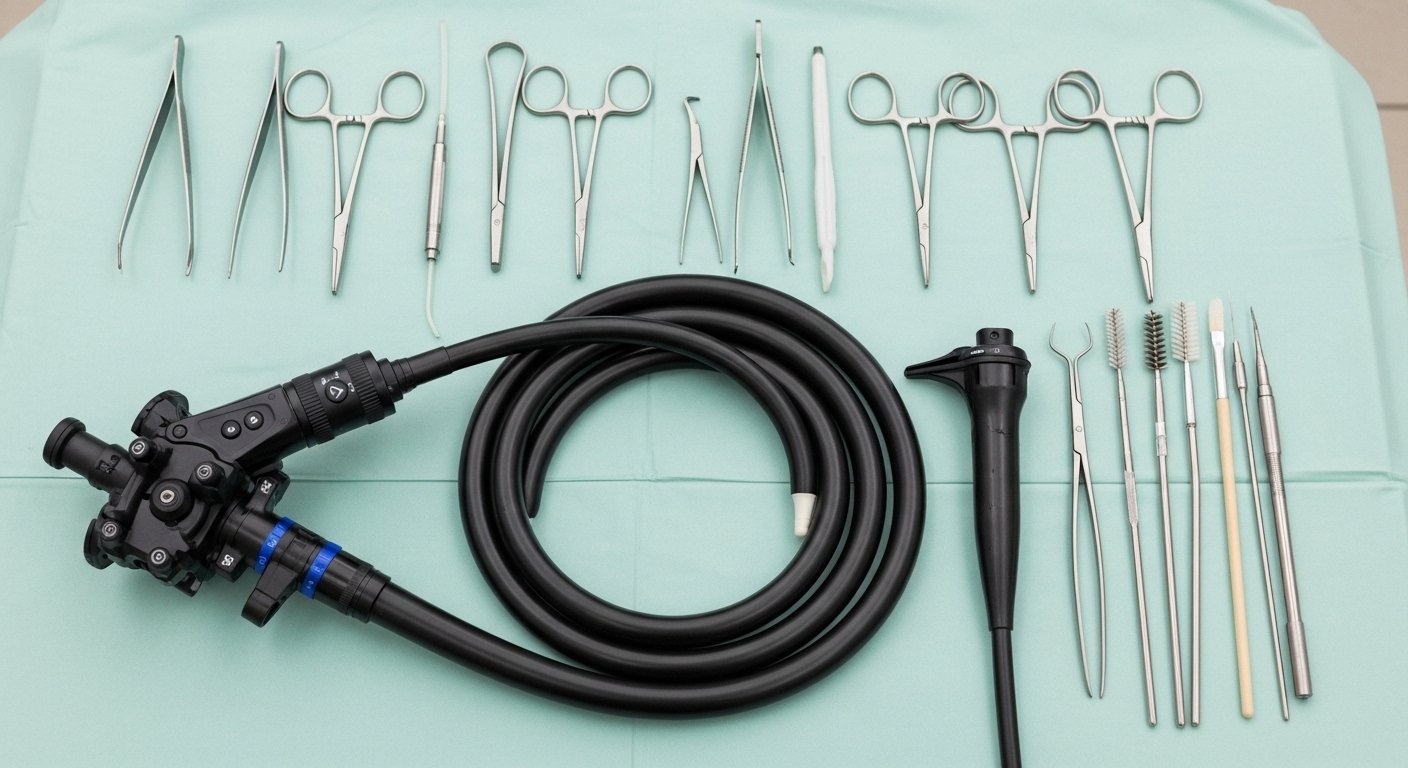
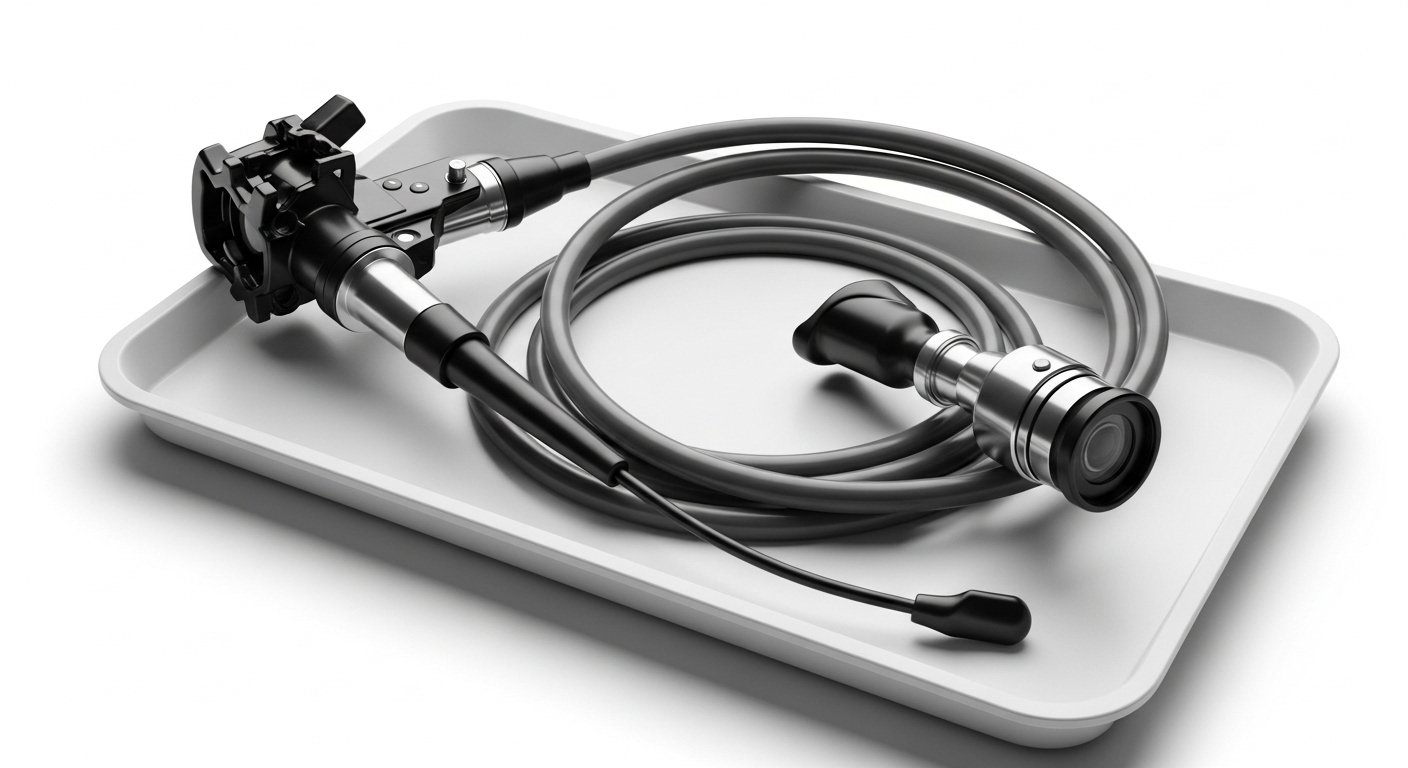
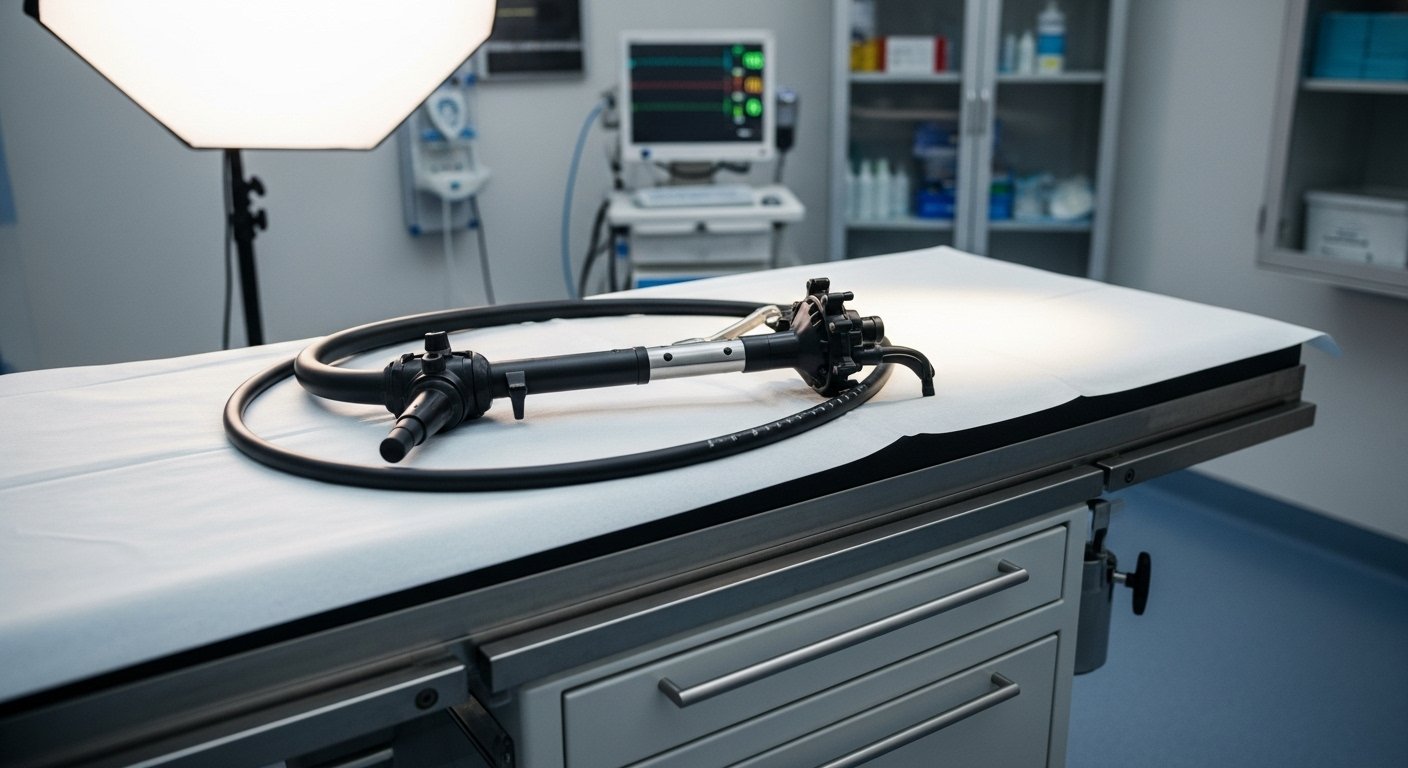
During the procedure, you remain responsive to verbal commands but feel deeply relaxed. The colonoscope itself measures only about 1.2-1.3 cm in diameter – roughly the width of your index finger. Air or carbon dioxide inflates the colon for better visualization, which may cause mild pressure sensation similar to needing to pass gas. Carbon dioxide, increasingly used instead of air, gets absorbed rapidly by the body, reducing post-procedure bloating.
The entire examination typically takes 20-30 minutes for a screening colonoscopy, though this varies based on colon anatomy and whether polyps require removal. Your vital signs remain monitored throughout, with oxygen levels, heart rate, and blood pressure tracked continuously. Recovery takes approximately 30-60 minutes, during which grogginess gradually clears.
Some patients opt for colonoscopy without sedation, reporting only mild cramping similar to gas pains. This option allows immediate return to normal activities without requiring a companion for transportation.
“You Need a Colonoscopy Only If You Have Symptoms”
The Reality: Colorectal polyps and early-stage cancers typically produce no symptoms, making screening colonoscopy useful for detection before symptoms develop. Polyps grow slowly over many years before potentially becoming cancerous. Removing these polyps during colonoscopy prevents cancer development entirely.
Screening guidelines recommend colonoscopy beginning at age 45 for average-risk individuals, with earlier screening for those with family history or genetic conditions. A first-degree relative (parent, sibling, or child) with colorectal cancer or polyps diagnosed before age 60 indicates screening should begin at age 40 or 10 years before the youngest diagnosis in the family.
Symptoms like rectal bleeding, changed bowel habits, or abdominal pain warrant diagnostic colonoscopy regardless of age. However, waiting for symptoms means missing the opportunity for prevention. Advanced polyps larger than 1 cm still rarely cause noticeable symptoms. Even early-stage colorectal cancers may remain symptom-free while still treatable.
The protective effect of colonoscopy extends beyond the procedure date. Removing adenomatous polyps reduces colorectal cancer incidence for many years in average-risk individuals with normal findings. This protection makes colonoscopy cost-effective despite the initial investment of time and preparation.
Colonoscopy Complications Are Common
The Reality: Serious complications from colonoscopy occur rarely. Minor complications like temporary bloating or mild abdominal discomfort resolve within hours without intervention.
Perforation risk increases slightly with polyp removal but remains low for most polypectomies. Modern techniques like cold snare polypectomy for small polyps may reduce bleeding risk. Endoscopists assess each polyp’s characteristics before removal, selecting the appropriate technique based on size, location, and appearance.
Post-polypectomy bleeding, when it occurs, usually happens within 14 days and often stops spontaneously. Holding blood-thinning medications appropriately before the procedure, when medically safe, minimizes bleeding risk. Your doctor reviews your medications and medical conditions during pre-procedure consultation to identify and mitigate potential risks.
The sedation medications used have established safety profiles with reversal agents available if needed. Allergic reactions remain rare. Cardiovascular events during colonoscopy occur primarily in patients with pre-existing heart conditions and remain uncommon even in this population.
“Virtual Colonoscopy Works Just As Well”
The Reality: CT colonography (virtual colonoscopy) cannot remove polyps or take biopsies, requiring traditional colonoscopy if abnormalities appear. While CT colonography detects large polyps effectively, sensitivity decreases for polyps smaller than 10mm. Flat lesions often escape detection on CT imaging.
Virtual colonoscopy still requires full bowel preparation identical to traditional colonoscopy. Additionally, you must drink oral contrast material and have air pumped into your colon during the CT scan, causing discomfort comparable to colonoscopy without the benefit of sedation. The radiation exposure, though relatively low, accumulates with repeated screenings over decades.
If CT colonography detects polyps, you need traditional colonoscopy anyway – meaning two preparations, two procedures, and doubled time investment. The inability to detect and remove small polyps during the same procedure means potentially missing the opportunity for cancer prevention.
Traditional colonoscopy allows tissue sampling for microscopic examination, distinguishing between hyperplastic polyps (generally harmless) and adenomatous polyps (precancerous). This distinction guides follow-up screening intervals. The ability to tattoo suspicious areas for future surgical reference provides another option unavailable with virtual techniques.
💡 Did You Know?
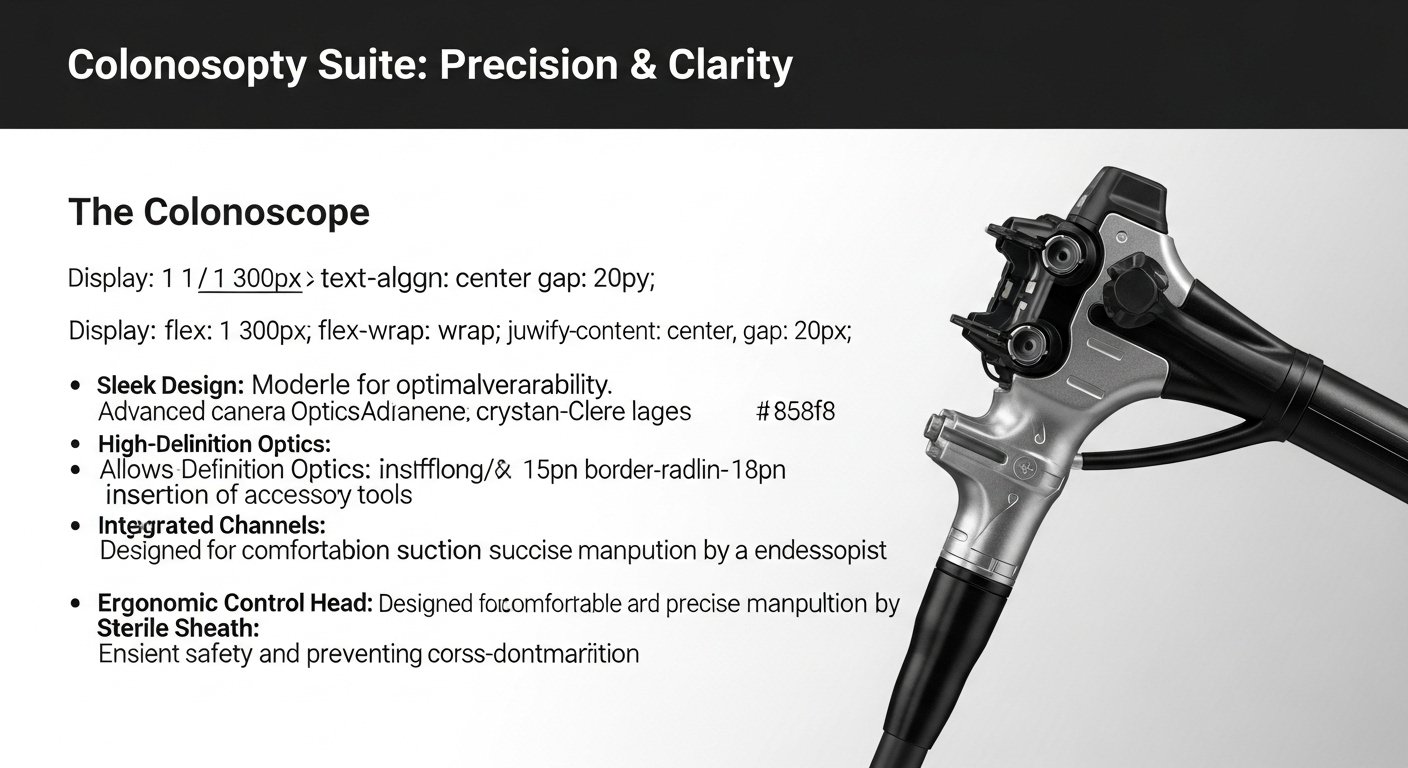
The colonoscope contains multiple channels allowing simultaneous visualization, irrigation, suction, and passage of instruments for polyp removal – all through a flexible tube narrower than most people’s thumb.
What Our Colorectal Surgeon Says
Modern colonoscopy represents a refined procedure different from techniques used even a decade ago. High-definition scopes with enhanced imaging capabilities detect subtle lesions that may not be visible with older equipment. The combination of better visualization and improved technique means precancerous polyps can be identified and removed while maintaining safety standards.
Patient comfort has improved through sedation protocols and gentler insertion techniques. Water-assisted colonoscopy, where water replaces air for initial insertion, may reduce discomfort particularly in patients with redundant colons or previous abdominal surgery.
Proper preparation and choosing a qualified endoscopist are important factors for colonoscopy. Quality indicators like adenoma detection rate and cecal intubation rate reflect a colonoscopist’s thoroughness and skill. You may wish to ask about these metrics when selecting your provider.
Commonly Asked Questions
How long before I can eat normally after colonoscopy?
You can resume your regular diet immediately after the procedure once sedation effects wear off. Start with light foods if you feel queasy. Avoid alcohol for 24 hours as it may interact with residual sedation medications.
Will I need time off work?
Take the procedure day off due to sedation effects and preparation requirements. Many patients return to work the following day feeling normal. Physical jobs requiring heavy lifting may warrant an extra day’s rest if multiple polyps were removed.
Can I drive myself home?
Sedation medications impair judgment and reflexes for 24 hours, requiring someone to drive you home. This applies even if you feel alert. Arrange transportation in advance as medical facilities cannot discharge you alone after sedation.
How often do I need colonoscopy?
Screening intervals depend on findings. Normal results indicate repeat colonoscopy in 10 years. Small polyps may require follow-up in 5-7 years. Large or multiple polyps may require surveillance in 3 years. Your doctor provides specific recommendations based on polyp pathology.
What if I can’t finish the bowel preparation?
Contact your doctor’s office if you cannot tolerate the preparation. Alternative preparations or anti-nausea medications may help. Inadequate preparation may result in rescheduling as poor visualization compromises polyp detection and removal safety.
Conclusion
Understanding modern colonoscopy realities versus persistent myths enables informed decision-making about this cancer-preventing procedure. Key takeaways include improved preparation solutions with better taste and reduced volume, effective sedation that eliminates procedural discomfort, and the critical importance of screening before symptoms appear since polyps remain asymptomatic until potentially too late.
If you’re due for colorectal cancer screening or experiencing symptoms like rectal bleeding, changed bowel habits, or persistent abdominal discomfort, an MOH-accredited colorectal surgeon can evaluate your needs and perform colonoscopy using current techniques for comfort and accuracy. For a full overview of the process, preparation, and recovery, explore our colonoscopy guide.