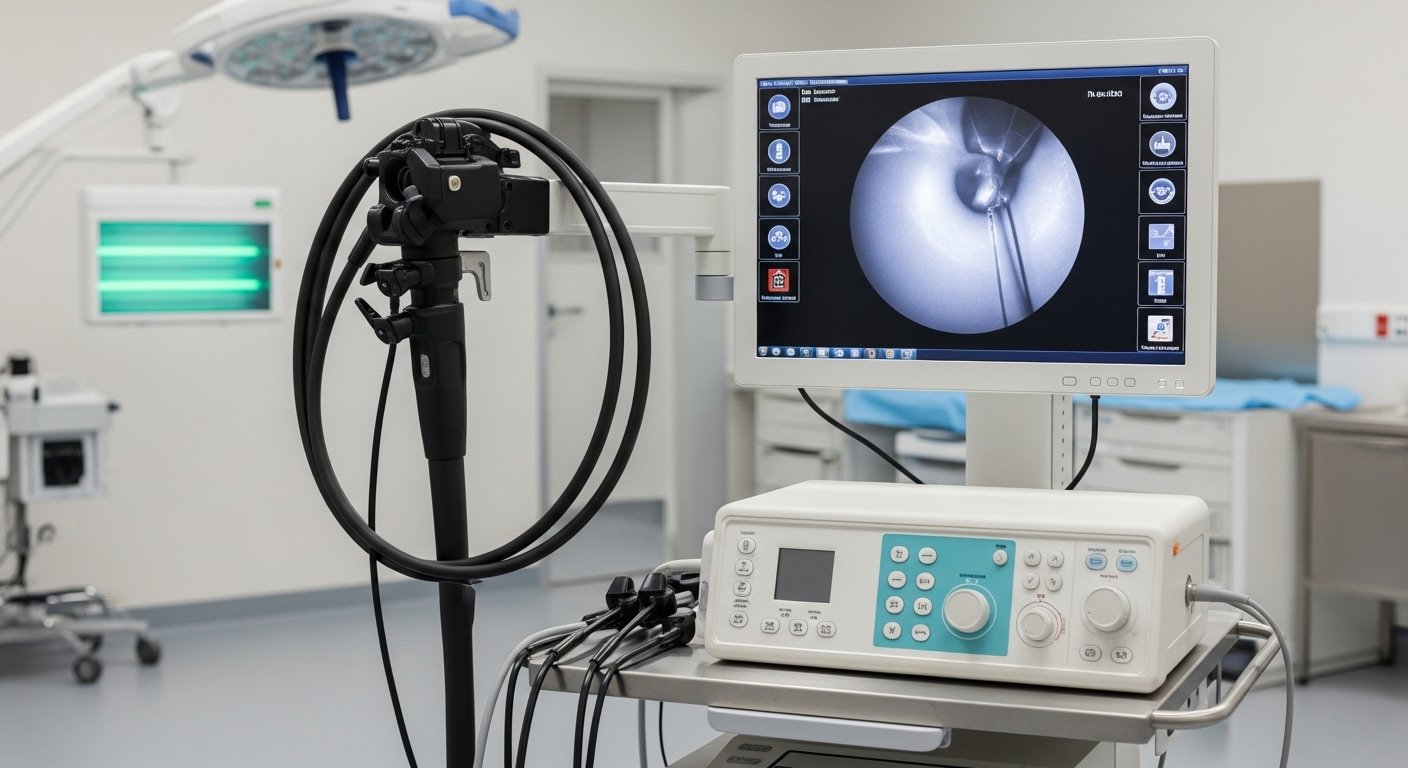

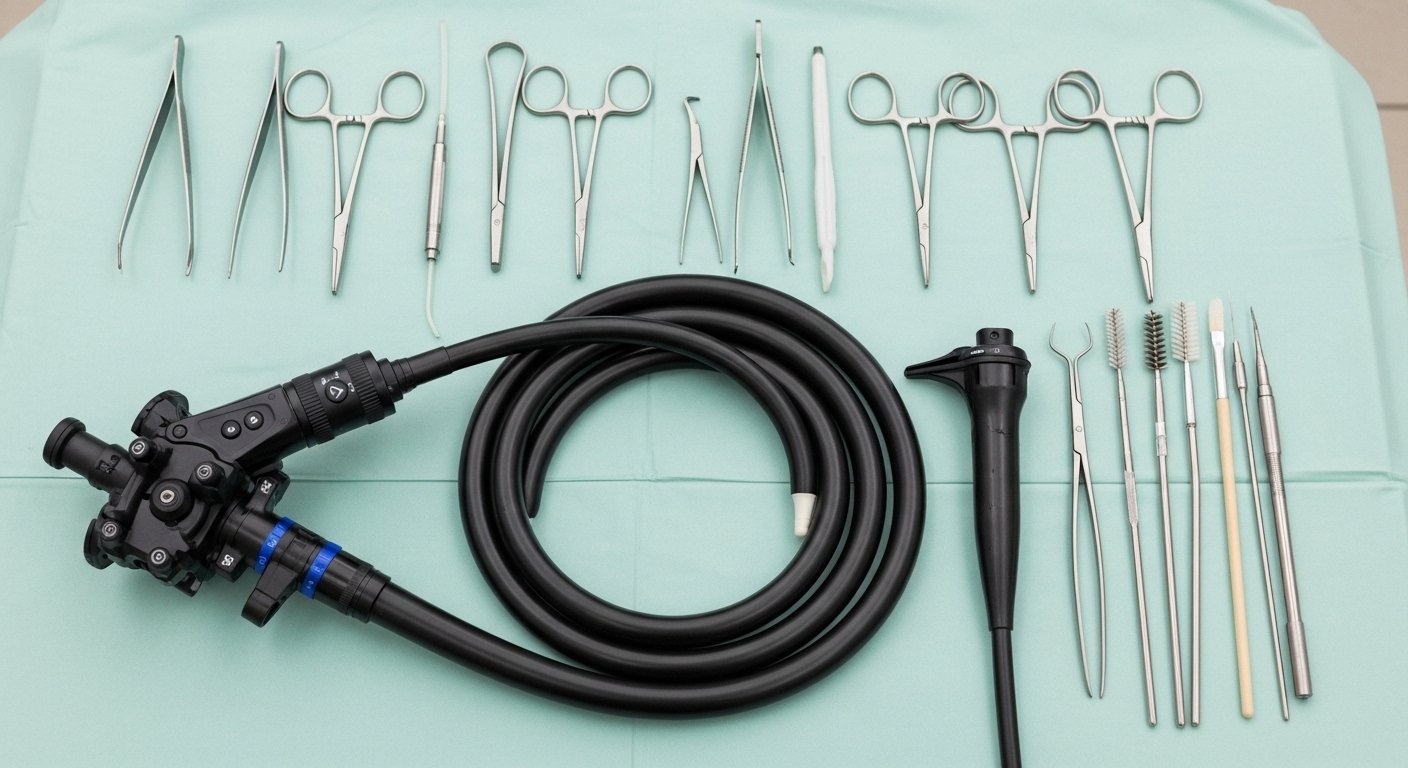
Did you know that colon polyp removal sites can bleed up to 14 days after the procedure when cauterized tissue naturally sloughs off? The recovery process varies based on polyp size, location, and removal technique—snare polypectomy for larger polyps typically requires longer recovery than cold forceps removal of smaller polyps under 5mm. Your digestive system needs care during this healing period to prevent complications, with complete healing requiring 2-6 weeks.
Immediate Post-Procedure Period
The first 24 hours after colon polyp removal require monitoring as sedation effects wear off and your digestive system resumes normal function. Mild cramping and bloating result from air insufflation during the procedure—walking helps release trapped gas more effectively than lying down.
Your first bowel movement may contain small amounts of blood or appear darker than usual. This occurs from minor bleeding at the polypectomy site mixed with residual bowel preparation solution. Blood should decrease with each subsequent bowel movement over 24-48 hours.
Sedation affects judgment and reflexes for up to 24 hours even when you feel alert. Arrange transportation home and avoid signing legal documents, operating machinery, or making important decisions during this period. Patients may resume desk work the following day, though physical jobs may require 2-3 days off depending on exertion levels.
Monitor your temperature during the first 48 hours. Fever above 38°C may indicate infection or microperforation requiring medical evaluation. Similarly, severe abdominal pain that worsens rather than improves warrants assessment by a healthcare professional.
Dietary Guidelines During Recovery
Start with clear liquids for the first meal after your procedure—broth, apple juice, or tea help rehydrate while testing your digestive system’s response. Progress to soft, low-fiber foods within 24 hours if you tolerate liquids without nausea or significant discomfort.
First Week Food Choices
White bread, white rice, and refined pasta provide easily digestible carbohydrates without irritating healing tissue. Lean proteins like steamed fish, poached eggs, and skinless chicken breast support tissue repair without excessive fat that stimulates strong intestinal contractions.
Avoid these foods for 7-10 days:
- Raw vegetables and salads
- Whole grains and bran cereals
- Nuts, seeds, and popcorn
- Spicy foods and hot peppers
- Alcohol and carbonated beverages
- Red meat and processed meats
Cooked vegetables without skins or seeds—mashed potatoes, steamed carrots, or well-cooked green beans—provide nutrients while remaining gentle on healing tissue. Small, frequent meals reduce digestive strain compared to three large meals daily.
Hydration and Bowel Function
Drink adequate water daily to maintain soft stool consistency that passes easily without straining. Straining increases abdominal pressure and bleeding risk at polypectomy sites. If constipation develops, magnesium hydroxide or polyethylene glycol provides gentle relief without stimulating strong intestinal contractions like stimulant laxatives.
Return to your regular diet gradually over 2-3 weeks, adding one new food category every 2-3 days while monitoring your body’s response. Persistent diarrhea or constipation beyond one week requires medical consultation to rule out complications.
Activity Restrictions and Timeline
Light walking immediately after your procedure helps eliminate residual gas and prevents blood clots. Increase walking distance gradually over the first week, but avoid activities that significantly elevate heart rate or blood pressure for 7 days.
Exercise Modifications by Week
Week 1: Walking, gentle stretching, and daily activities like showering and light housework. Avoid lifting anything heavier than 5kg, including groceries, children, or laundry baskets.
Week 2: Resume moderate aerobic exercise like brisk walking or stationary cycling at 60-70% of your usual intensity. Swimming requires waiting until any rectal irritation from the colonoscope resolves completely.
Week 3-4: Return to full exercise routines including weight training, running, and contact sports. Large polyp removal (over 2cm) may require extended restrictions up to 4 weeks based on your surgeon’s assessment.
Sexual activity can resume when you feel comfortable, typically after 2-3 days. Avoid positions that cause significant abdominal pressure or discomfort during the first week.
Travel by car poses no restrictions after the first 24 hours. Air travel within the first week requires staying hydrated and walking the cabin every hour to prevent dehydration and blood clots. Long-haul flights over 6 hours should wait until after your first week of recovery.
Managing Common Side Effects
Mild rectal bleeding appears as red streaks on toilet paper or drops in the toilet bowl for up to 14 days after polyp removal. The amount should progressively decrease—increasing bleeding volume or passing clots larger than 2cm requires immediate medical attention.
Abdominal cramping and gas persist for 24-72 hours as your intestines recover from air insufflation and manipulation during the procedure. Simethicone drops or tablets help break up gas bubbles, while warm compresses on your abdomen provide comfort. Peppermint tea may help relax intestinal muscles and reduce cramping.
💡 Did You Know?
The colon’s mucosal lining regenerates completely every 3-5 days under normal conditions, but polypectomy sites require additional time for the deeper muscular layers to heal fully, explaining why bleeding can occur up to 14 days post-procedure.
Fatigue affects many patients for 3-5 days due to sedation aftereffects, mild dehydration from bowel preparation, and the body’s healing response. Plan lighter schedules during this period and prioritize sleep—your body repairs tissue most efficiently during deep sleep phases.
Changes in bowel habits, including temporary constipation or loose stools, normalize within one week. Your intestinal bacteria population, disrupted by bowel preparation, requires time to reestablish normal balance. Probiotic supplements or yogurt with live cultures may help restore bacterial balance.
Warning Signs Requiring Medical Attention
Contact your surgeon immediately if you experience:
- Heavy bleeding filling the toilet bowl or passing large clots
- Severe abdominal pain that worsens over time
- Fever above 38°C persisting beyond 24 hours
- Persistent vomiting preventing fluid intake
- Abdominal distension with inability to pass gas
- Dizziness, rapid heartbeat, or fainting
- Black, tarry stools after the first 48 hours
⚠️ Important Note
Delayed bleeding can occur 7-14 days after polyp removal when the cauterized tissue sloughs off, exposing underlying blood vessels. This complication requires medical evaluation.
Medication Considerations
Blood thinners like aspirin, clopidogrel, or warfarin increase bleeding risk for 7-14 days post-procedure. Your surgeon provides specific instructions about resuming these medications based on your cardiovascular risk factors and polyp characteristics. Do not stop prescribed blood thinners without medical consultation.
NSAIDs including ibuprofen and naproxen may increase bleeding risk during the first week. Paracetamol provides pain relief without affecting blood clotting. If you require stronger pain management, contact your surgeon rather than self-medicating.
Iron supplements help restore hemoglobin levels if you experienced bleeding during or after the procedure. Take iron with vitamin C-rich foods to enhance absorption, but separate from tea, coffee, or calcium supplements that reduce iron uptake.
Continue all other regular medications unless specifically instructed otherwise. Diabetes medications may require adjustment if your eating pattern changes significantly during recovery.
What Our Colorectal Surgeon Says
“The colon heals well with proper care. Following dietary and activity guidelines for just two weeks reduces complication risks. I recommend keeping a symptom diary during recovery—noting bowel patterns, any bleeding, and dietary responses helps identify issues early and provides valuable information if complications arise.”
Putting This Into Practice
- Create a recovery meal plan focusing on low-fiber, easily digestible foods for the first week, then gradually reintroduce regular foods while monitoring your response.
- Set activity reminders on your phone to take short walks every 2 hours during the first three days, which may help eliminate gas and prevent complications.
- Prepare a bathroom kit with soft toilet paper, wet wipes, and a small mirror to monitor any bleeding without straining to look.
- Document your recovery by recording bowel movements, bleeding episodes, and any unusual symptoms in a notebook to share with your surgeon at follow-up.
- Stock recovery supplies before your procedure including clear liquids, soft foods, paracetamol, and simethicone to avoid shopping trips during early recovery.
Commonly Asked Questions
When can I drink alcohol after polyp removal?
Wait at least 7 days before consuming alcohol, as it can irritate healing tissue and increase bleeding risk. When you resume, limit intake to 1-2 standard drinks and avoid if you notice any rectal bleeding or abdominal discomfort.
How do I know if bleeding is excessive?
Normal bleeding appears as streaks on toilet paper or a few drops in the bowl. Excessive bleeding fills the toilet bowl with bright red blood, passes clots larger than 2cm, or causes dizziness and weakness requiring immediate medical attention.
Can polyps grow back after removal?
New polyps can develop in different colon locations, though complete removal of a polyp prevents regrowth at that specific site. Follow-up colonoscopy timing depends on polyp type, size, and number—typically 3-5 years for adenomatous polyps.
Should I take probiotics after the procedure?
Probiotics may help restore intestinal bacteria disrupted by bowel preparation. Consult your healthcare professional about appropriate timing and products, as recommendations vary based on individual circumstances.
When will I get my polyp biopsy results?
Histopathology results typically arrive within 5-7 working days. Your surgeon contacts you if results require urgent discussion, otherwise expect review at your scheduled follow-up appointment in 2-4 weeks.
Next Steps
Follow dietary and activity restrictions for optimal healing, monitor for warning signs, and attend your scheduled follow-up appointment to review biopsy results and plan future surveillance colonoscopy timing. For additional guidance on recovery and ongoing care, refer to our comprehensive colonoscopy guide for Singapore patients.
If you are experiencing persistent bleeding, severe abdominal pain, or symptoms beyond expected recovery timelines, a MOH-accredited colorectal surgeon can evaluate your condition and provide appropriate management.