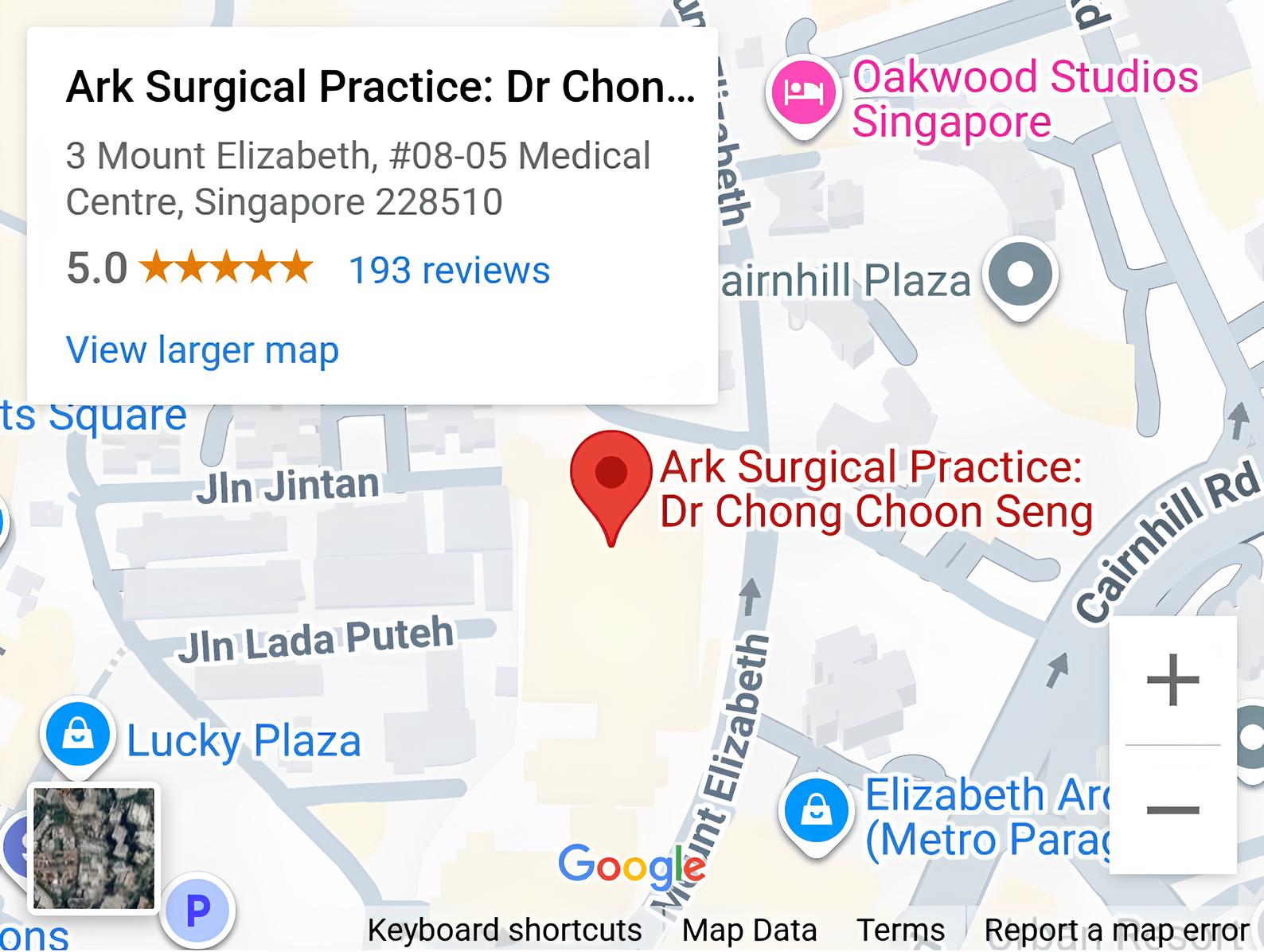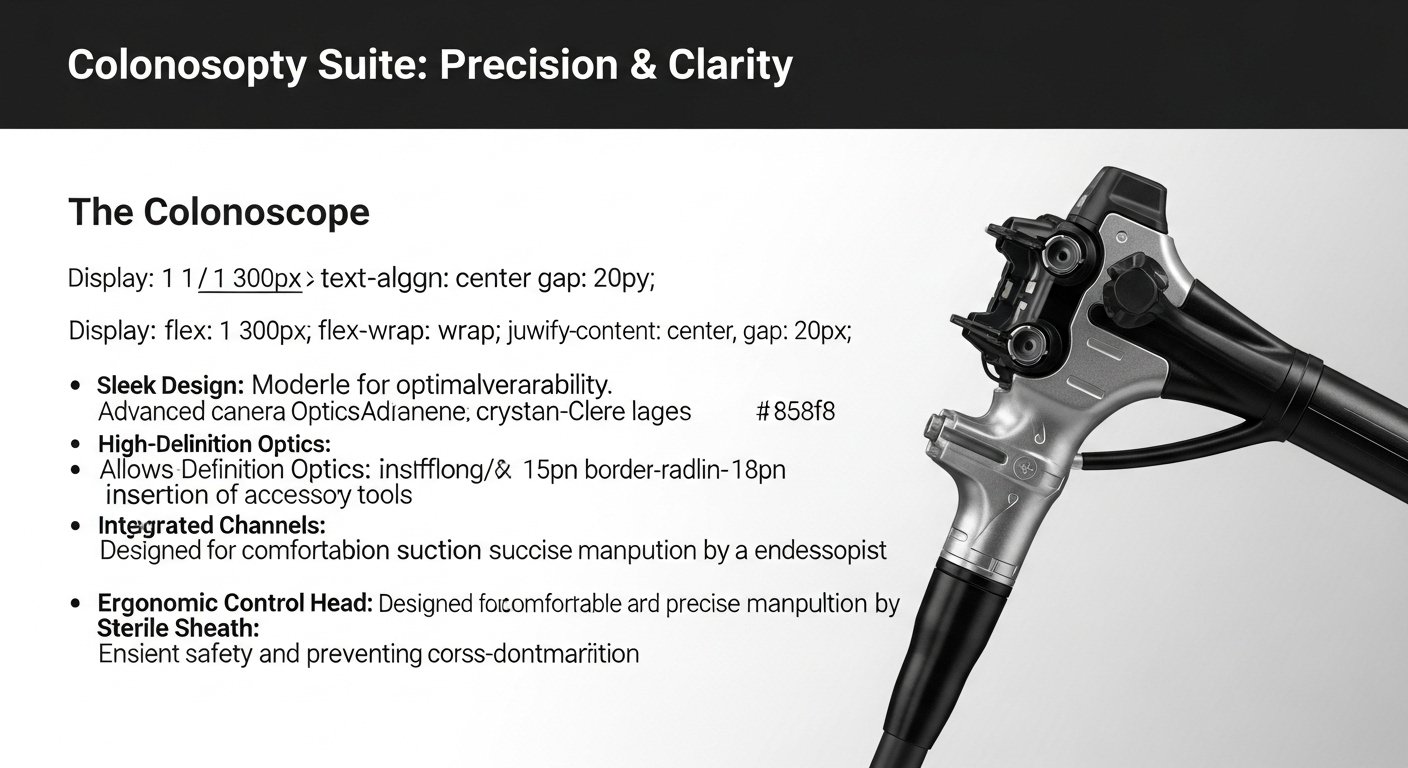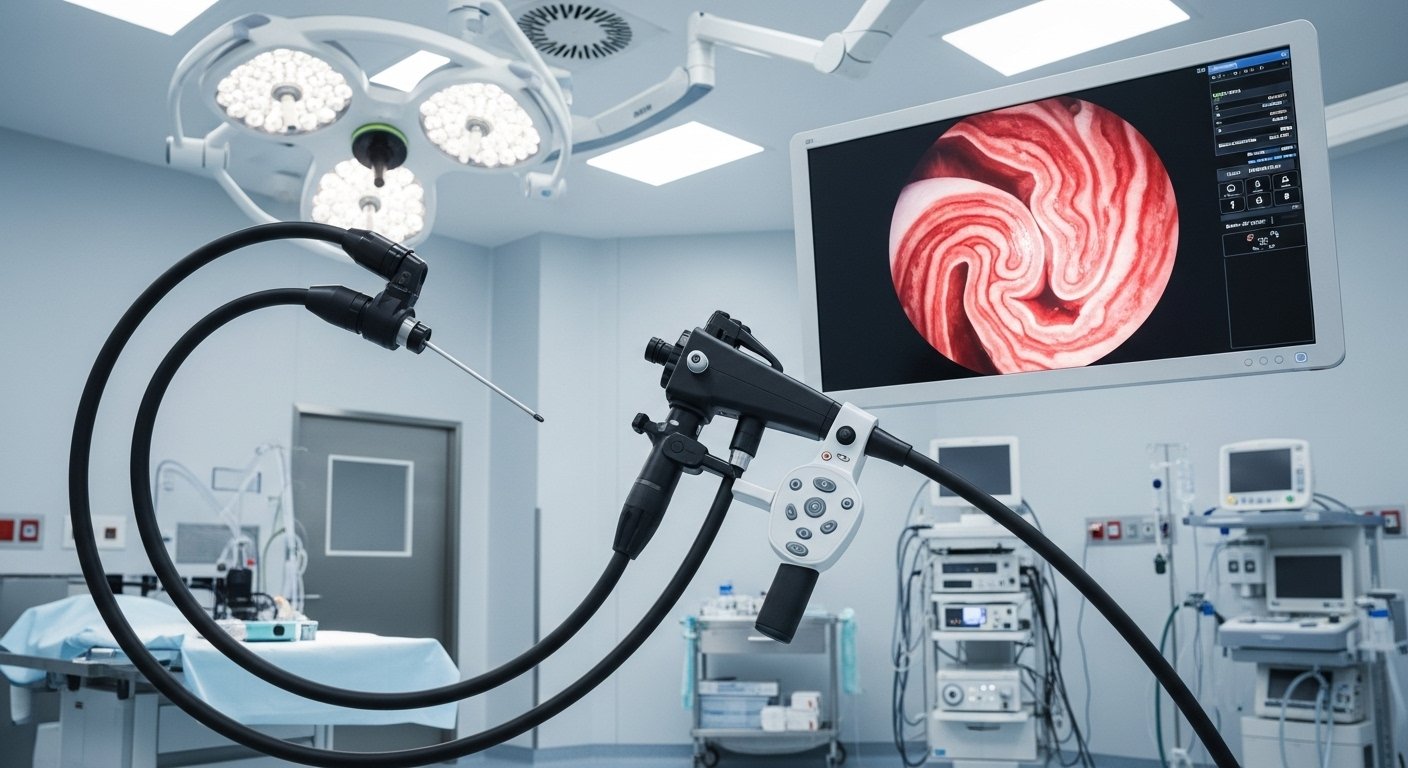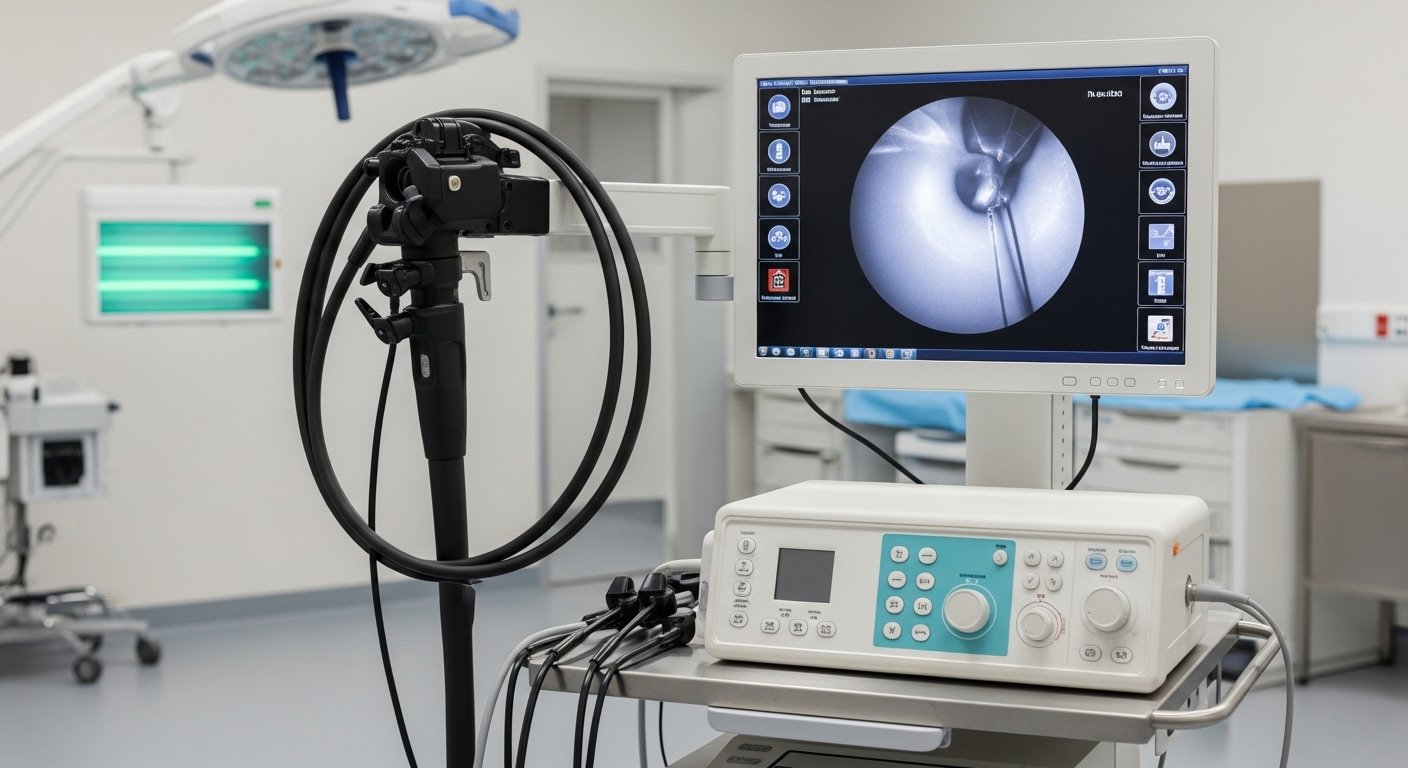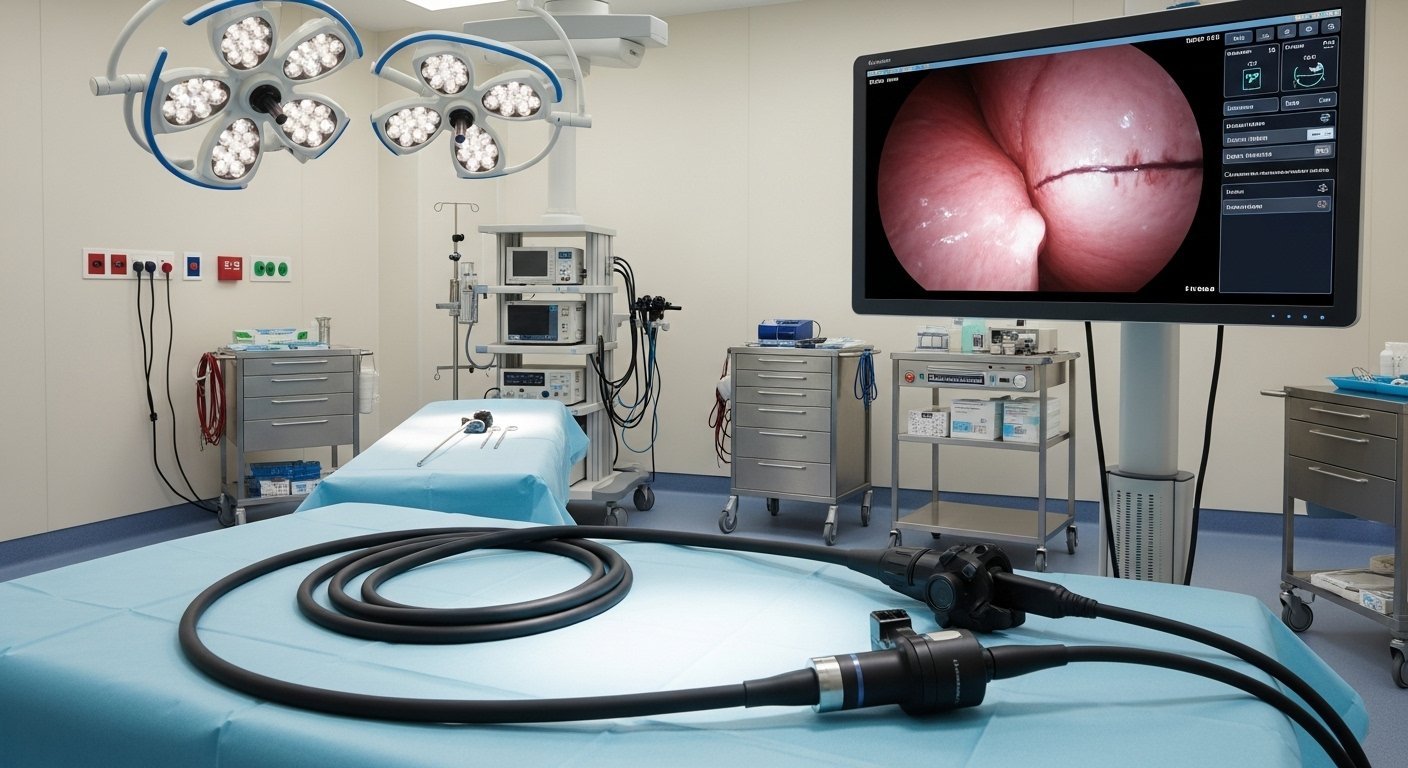

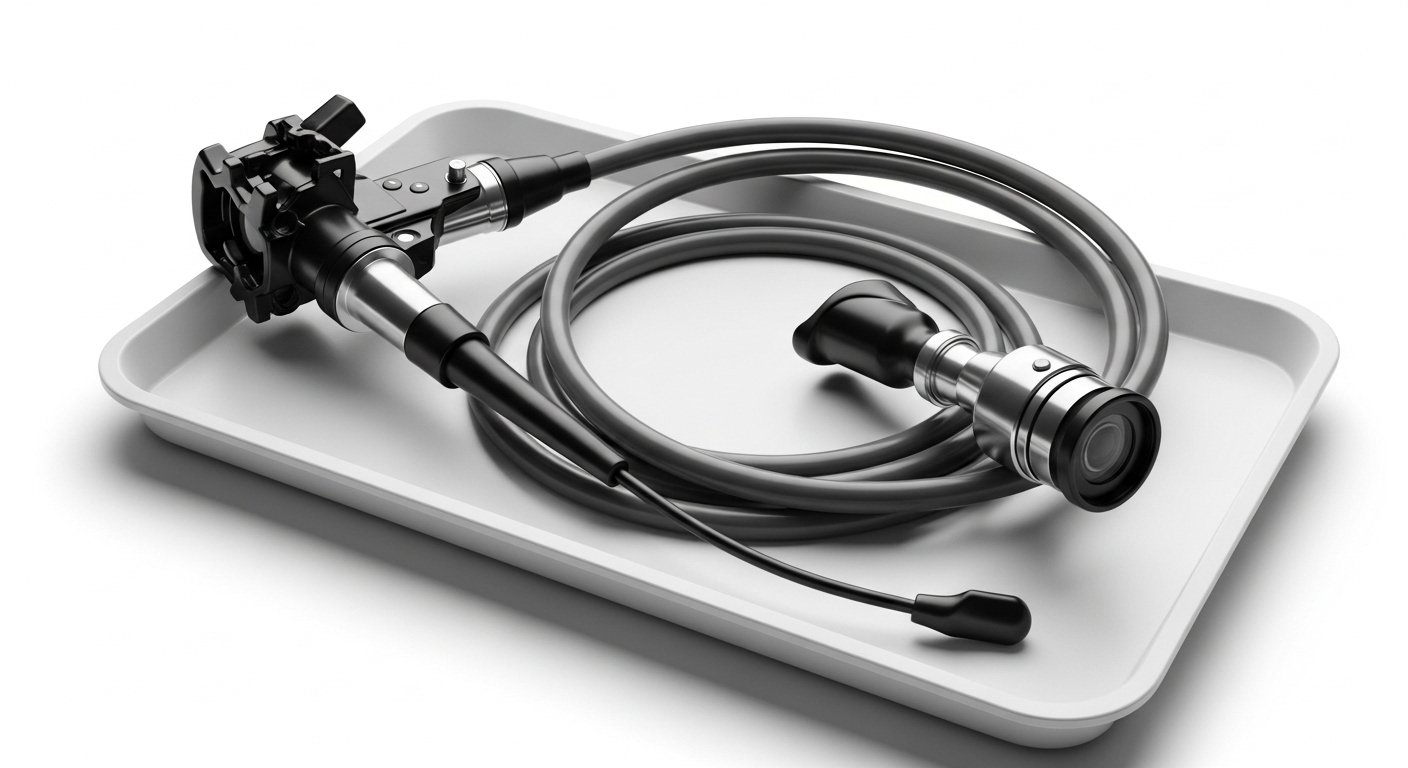
Did you know that proper bowel preparation increases polyp detection rates by up to 25% compared to inadequate preparation? The procedure takes 20-30 minutes under sedation and examines your entire colon using a flexible tube with a camera, allowing doctors to detect polyps, inflammation, and other abnormalities before symptoms develop.
Bowel preparation clears your colon completely, enabling your doctor to see the intestinal lining clearly. Poor preparation obscures visibility, potentially missing small polyps or requiring you to repeat the entire process. Your clinic will provide specific instructions based on your medical history and the preparation solution prescribed.
Dietary Modifications Timeline
Five days before your colonoscopy, stop eating foods with small seeds, nuts, and corn. These items resist digestion and can block the colonoscope’s view even after bowel preparation. Avoid iron supplements, which darken stool and reduce visibility.
Three days before, eliminate high-fiber foods including whole grains, raw vegetables, and fruits with skin or seeds. Switch to refined white bread, white rice, well-cooked vegetables without skin, and canned fruits without seeds. Continue eating lean proteins like chicken, fish, and eggs.
The day before your procedure marks the transition to clear liquids only. Clear liquids include water, clear broth, apple juice without pulp, white grape juice, clear sports drinks, black coffee or tea without milk, and clear gelatin. Avoid anything red, purple, or orange as these colors can mimic blood during examination. Alcoholic beverages dehydrate you when you need hydration for the preparation process.
💡 Did You Know?
Your colon naturally produces a protective mucus layer that regenerates within hours after bowel preparation, so the cleaning process doesn’t harm your intestinal lining or beneficial bacteria long-term.
Bowel Preparation Solutions
Your doctor will prescribe one of several preparation solutions, each with specific timing and mixing instructions. Polyethylene glycol (PEG) solutions require drinking 3-4 liters of solution, typically split between the evening before and morning of your procedure. These high-volume preparations work through osmotic action, drawing water into your bowel to flush out contents.
Low-volume preparations reduce the drinking requirement to 2 liters plus additional clear fluids. These concentrated formulas achieve similar cleansing with less liquid intake, though some patients experience more nausea with concentrated solutions.
Tablet preparations eliminate the taste issue entirely. You swallow tablets with specific amounts of water at prescribed intervals. Each dose consists of 12 tablets taken with 16 ounces of water, followed by additional water over the next hour.
Start your preparation at the exact time specified in your instructions. Split-dose regimens, where you take half the preparation the evening before and half the morning of your procedure, provide effective cleansing compared to evening-only preparation. The second dose should finish at least 2 hours before your appointment time.
Chill the solution and drink through a straw placed far back on your tongue to minimize taste. Some patients alternate sips with clear apple juice or suck on lemon slices between glasses. Walk around between glasses to help the solution move through your system.
⚠️ Important Note
Never mix preparation solutions with anything not specifically approved in your instructions, as this can alter the osmotic balance and reduce effectiveness.
Medication Adjustments
Blood thinners require careful management before colonoscopy:
- Warfarin typically stops 5 days before the procedure
- Newer anticoagulants like apixaban or rivaroxaban stop 2-3 days prior
- Your healthcare professional may prescribe bridging therapy with short-acting anticoagulants if your stroke risk requires continuous protection
Diabetes medications need adjustment during the clear liquid diet phase:
- Long-acting insulin doses reduce by half the night before your procedure
- Stop metformin the morning of your colonoscopy due to lactic acidosis risk with dehydration
- SGLT2 inhibitors stop 3 days before to prevent ketoacidosis during fasting
Continue taking blood pressure medications, thyroid hormones, seizure medications, and psychiatric medications unless specifically instructed otherwise. Take these with small sips of water even on your procedure morning if scheduled before noon.
Aspirin for heart protection usually continues, but aspirin for general pain relief stops 7 days before if polyp removal seems likely based on your risk factors.
Managing Common Preparation Challenges
Nausea affects many patients during bowel preparation. Slow your drinking pace if nausea develops – you have several hours to complete each dose. Take 15-minute breaks between glasses. Anti-nausea medications like ondansetron can help if prescribed by your doctor.
Anal irritation develops from frequent bowel movements. Apply petroleum jelly or zinc oxide cream before starting preparation. Use soft toilet paper or wet wipes without alcohol. Pat rather than wipe. Some patients find sitting in warm water for a few minutes provides relief.
Dehydration symptoms include dizziness, dry mouth, and decreased urination. Beyond your preparation solution, drink additional clear liquids throughout the process. Clear broths provide electrolytes. Sports drinks replace minerals lost during preparation.
Hunger peaks during clear liquid restriction. Warm liquids like broth or tea provide more satiation than cold drinks. Clear gelatin gives you something to chew.
✅ Quick Tip
Set hourly alarms on your phone to remind yourself to drink preparation solution and additional clear fluids – consistent pacing prevents rushing at the end.
Day of Procedure Logistics
Arrange transportation before your appointment day, as sedation prevents you from driving for 24 hours. Public transportation isn’t suitable due to sedation effects on judgment and coordination.
Wear loose, comfortable clothing without belts or complicated fasteners. Two-piece outfits allow you to keep your top on during the procedure. Leave jewelry and valuables at home.
Bring your identification, medication list, and any required medical clearance letters. Include your driver’s contact information for post-procedure communication.
Remove contact lenses and bring glasses instead. Nail polish on at least one finger must be removed for oxygen monitoring. Dentures and partial plates stay in unless your anesthesiologist requests removal.
Your colonoscopy takes 20-30 minutes, but expect 2-3 hours total at the facility including preparation, procedure, and recovery time. Recovery involves monitoring until sedation wears off enough for safe discharge.
What Our Colorectal Surgeon Says
The quality of bowel preparation directly correlates with polyp detection rates. When patients achieve good preparation, we can identify flat polyps as small as 3 millimeters that might otherwise hide behind residual stool or cloudy fluid.
Moderate sedation using midazolam and fentanyl provides comfort while maintaining your ability to respond to instructions. You won’t remember the procedure, but you’re never fully unconscious.
If we find and remove polyps during your colonoscopy, you’ll receive specific surveillance intervals based on polyp number, size, and histology. Most small polyps removed during screening don’t require any lifestyle changes, just appropriate follow-up screening.
Putting This Into Practice
- Mark your calendar five days before your procedure to begin dietary restrictions, creating shopping lists for approved foods
- Purchase preparation supplies early including clear liquids, petroleum jelly, wet wipes, and any comfort items like hard candies
- Arrange work coverage and transportation at least one week in advance to avoid last-minute stress
- Prepare a comfortable bathroom setup with reading materials, phone charger, and easy access to supplies
- Download entertainment to your phone or tablet for distraction during preparation and recovery waiting periods
When to Seek Professional Help
- Severe abdominal pain or bloating that doesn’t improve after bowel movements
- Bloody bowel movements beyond light pink tinge
- Signs of severe dehydration including confusion or inability to urinate
- Persistent vomiting preventing preparation completion
- Chest pain or difficulty breathing
- Fever above 38°C during preparation
- Allergic reactions including rash, itching, or swelling
Commonly Asked Questions
Can I brush my teeth the morning of my colonoscopy?
Yes, brush your teeth normally but avoid swallowing water. Using mouthwash is acceptable. If you accidentally swallow small amounts of water, your procedure can still proceed as scheduled.
What if I’m still passing brown liquid near the end of preparation?
Continue drinking clear liquids if time permits. Brown or cloudy discharge often clears with additional fluid. Inform your nurse upon arrival – they’ll assess whether proceeding is appropriate or if additional preparation is needed.
Will I be awake during the procedure?
Moderate sedation keeps you comfortable and relaxed with no memory of the procedure, though you’re not completely unconscious. You might respond to instructions during the procedure but won’t remember doing so.
How soon can I eat after my colonoscopy?
Start with light foods like crackers or toast about an hour after discharge. Progress to your normal diet as tolerated. Avoid alcohol for 24 hours due to sedation effects.
What happens if polyps are found?
Your doctor removes polyps immediately during the colonoscopy using tools passed through the colonoscope. The tissue goes to pathology for analysis, with results typically available within 7-10 days.
Next Steps
Follow dietary restrictions for five days before your procedure, complete bowel preparation thoroughly, and adjust medications as directed. Split-dose preparation achieves better cleansing than evening-only dosing, while proper hydration prevents dehydration complications. For step-by-step guidance on getting ready, refer to our complete colonoscopy guide.
If you’re experiencing changes in bowel habits, unexplained abdominal pain, or blood in your stool, MOH-accredited colorectal surgeons can provide evaluation and same-day polyp removal when indicated.