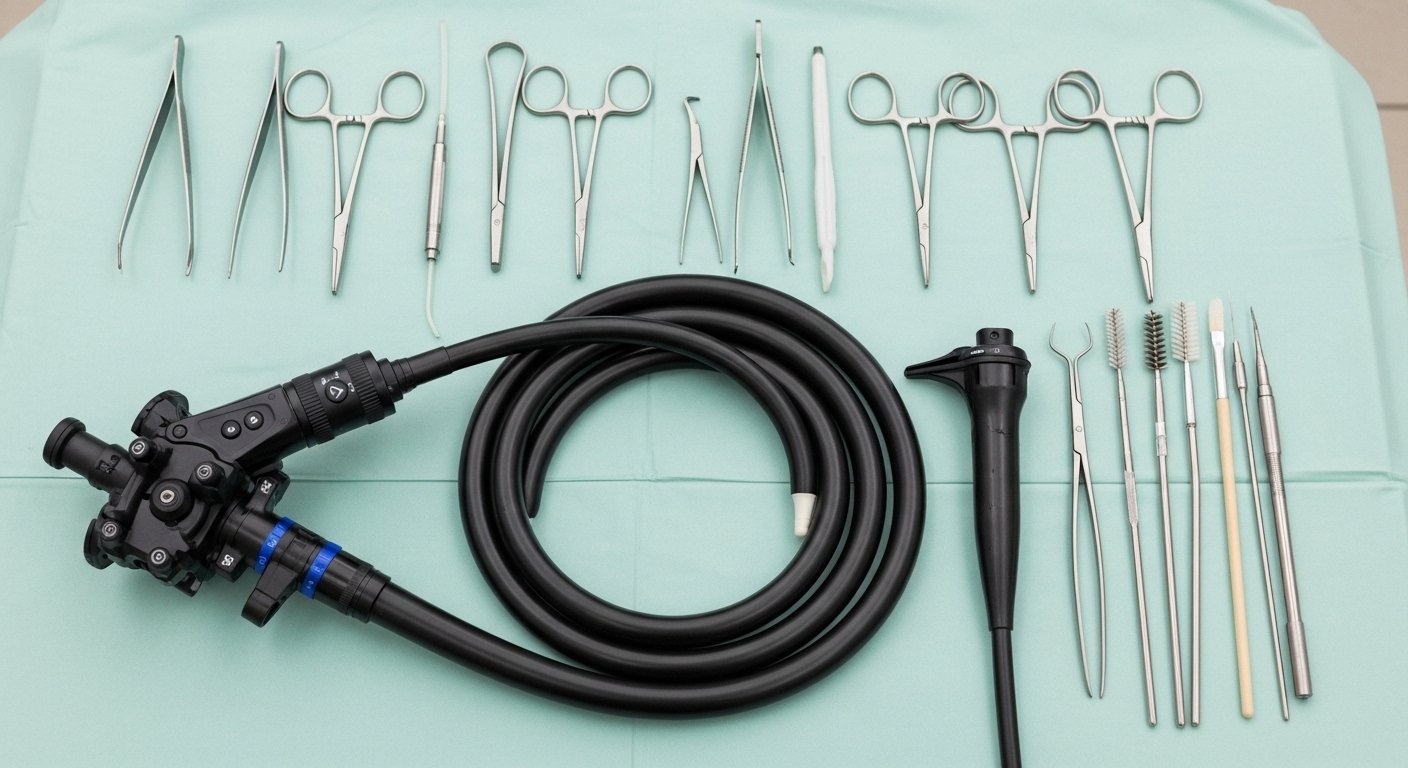

Sedation Options for Colonoscopy: What Patients Should Know
Have you ever wondered why some patients remember nothing about their colonoscopy while others recall the entire procedure? Colonoscopy sedation ranges from light conscious sedation to deep sedation with propofol, each offering different levels of comfort and recovery profiles. The medication combination typically includes a benzodiazepine like midazolam paired with an opioid such as fentanyl, administered intravenously to achieve the desired sedation level. Your gastroenterologist determines the appropriate sedation based on your medical history, anxiety levels, procedure complexity, and any previous experiences with anaesthesia.
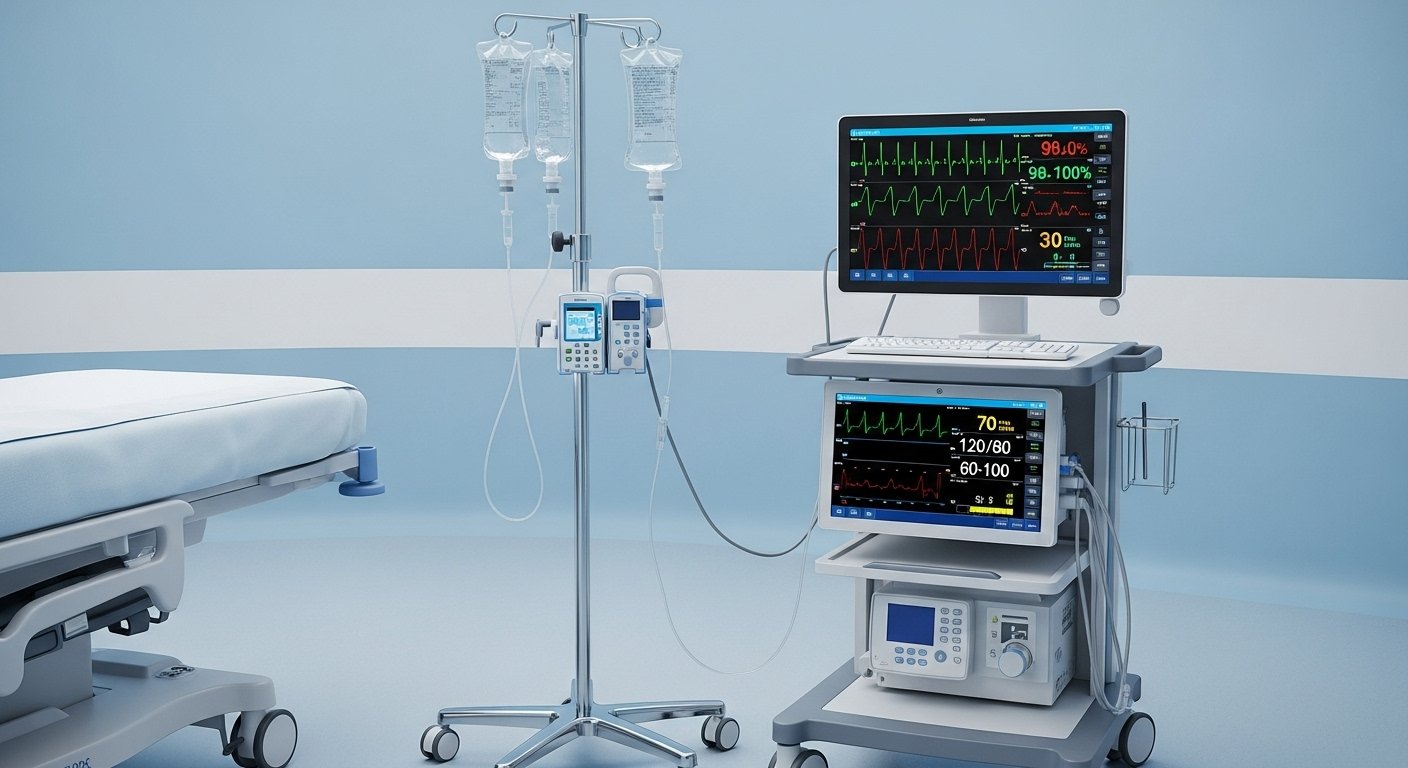
Singapore’s medical facilities offer both anaesthesiologist-administered propofol sedation and gastroenterologist-administered conscious sedation, with the choice depending on patient factors and procedural requirements. The sedation process begins with intravenous cannula placement, followed by gradual medication titration while monitoring your heart rate, blood pressure, and oxygen saturation throughout the procedure.
Conscious Sedation with Midazolam and Fentanyl
Conscious sedation maintains your ability to respond to verbal commands while reducing anxiety and discomfort during the colonoscopy. Midazolam and fentanyl dosages are determined by a healthcare professional based on individual patient needs. This combination allows you to breathe independently without requiring ventilation support, though supplemental oxygen through nasal prongs remains standard practice.
The onset of conscious sedation occurs within 2-3 minutes of administration, with effects lasting 30-60 minutes. Your gastroenterologist adjusts dosing throughout the procedure based on your response and comfort level. Many patients experience retrograde amnesia, meaning they won’t remember the procedure despite being somewhat aware during it.
Recovery from conscious sedation typically takes 30-45 minutes in the recovery area, though you’ll need someone to drive you home as the medications can impair judgment and reflexes for several hours. Reversal agents like flumazenil for midazolam and naloxone for fentanyl remain available if needed, though routine reversal isn’t standard practice.
Medication Effects and Patient Experience
Midazolam produces muscle relaxation, reduces anxiety, and creates short-term memory impairment. The medication works on GABA receptors in the brain, similar to how alcohol affects the nervous system but with more predictable and controllable effects. Patients often report feeling drowsy and relaxed rather than completely unconscious.
Fentanyl acts rapidly on opioid receptors to reduce pain perception without causing significant respiratory depression at colonoscopy doses. The combination with midazolam creates synergistic effects, allowing lower doses of each medication while achieving adequate sedation. Some patients experience mild euphoria or floating sensations during the procedure.
Side effects during conscious sedation remain minimal but can include temporary blood pressure drops, slower breathing rates, or brief periods of deeper sedation than intended. Your medical team continuously monitors vital signs and can adjust medications or provide supportive measures immediately if needed.
Deep Sedation with Propofol
Propofol sedation creates a deeper level of unconsciousness where you won’t respond to verbal commands and have no memory of the procedure. An anaesthesiologist or trained sedation nurse administers propofol through continuous infusion. The medication acts within 30-60 seconds, allowing control over sedation depth.
Propofol’s onset and offset characteristics make it suitable for colonoscopy, with patients typically waking within 5-10 minutes after stopping the infusion. The recovery profile shows less nausea and faster return to baseline function compared to some sedation combinations. However, propofol can cause blood pressure drops and occasional respiratory depression requiring chin lift or jaw thrust maneuvers.
Monitoring and Safety Protocols
Deep sedation with propofol requires monitoring including continuous capnography to measure exhaled carbon dioxide, ensuring adequate ventilation. The anaesthesiologist maintains equipment for airway management, including bag-mask ventilation and intubation supplies, though these interventions rarely become necessary during colonoscopy.
Recovery from propofol typically takes 15-30 minutes, with patients feeling alert and clear-headed once fully awake. Unlike benzodiazepine-based sedation, propofol has no reversal agent, making careful titration and monitoring important. Discharge criteria include stable vital signs, ability to tolerate oral fluids, and return to baseline cognitive function.
No Sedation Option
Some patients complete colonoscopy without sedation, maintaining full consciousness throughout the procedure. This approach requires good pain tolerance and the ability to remain still during scope navigation through the colon’s natural curves and flexures. Techniques like controlled breathing, position changes, and external abdominal pressure help manage discomfort during unsedated procedures.
The primary discomfort during unsedated colonoscopy comes from air insufflation used to expand the colon for visualization, creating cramping sensations similar to gas pains. Carbon dioxide insufflation instead of room air reduces post-procedure discomfort as CO2 absorbs more rapidly through the colon wall. Your endoscopist can pause or adjust technique when you experience significant discomfort.
Choosing no sedation eliminates recovery time, allowing immediate return to normal activities including driving and work. This option suits patients with sedation contraindications, those who’ve tolerated previous unsedated procedures well, or individuals who prefer maintaining complete awareness and control.
Factors Influencing Sedation Choice
Medical conditions significantly impact sedation selection, with cardiac disease, respiratory conditions, or sleep apnoea potentially requiring modified approaches or anaesthesiologist involvement. Liver or kidney dysfunction affects medication metabolism, necessitating dose adjustments or alternative agents. Previous adverse reactions to sedation guide medication selection and monitoring intensity.
Procedure-Specific Considerations
Screening colonoscopies in healthy individuals often proceed with conscious sedation, while therapeutic procedures involving polyp removal or biopsies may be performed with deeper sedation to ensure patient stillness. Patients with previous abdominal surgeries may have adhesions causing more discomfort during scope navigation, and propofol sedation may be considered.
Your colonoscopy sedation history provides valuable guidance – patients who experienced awareness or discomfort with conscious sedation often prefer propofol for subsequent procedures. Conversely, those with good experiences using conscious sedation typically continue with this approach. Anxiety levels also influence choice, with highly anxious patients often receiving propofol for complete amnesia.
Body habitus affects sedation requirements, with higher BMI patients potentially needing adjusted doses while maintaining careful monitoring for airway obstruction. Younger patients often require higher sedation doses due to faster metabolism, while elderly patients need reduced doses due to increased sensitivity and slower clearance.
Preparation and Recovery Protocols
Pre-procedure fasting requirements remain consistent regardless of sedation type: no solid food for 6 hours and clear liquids only until 2 hours before the procedure. Medication adjustments vary by sedation choice – patients receiving propofol may need to hold certain blood pressure medications, while those choosing conscious sedation can usually continue regular medications with small water sips.
💡 Did You Know?
The gag reflex remains intact during colonoscopy sedation since the scope enters through the rectum, unlike upper endoscopy where throat numbing may be used. This makes colonoscopy sedation generally more comfortable with lower medication requirements.
Recovery room monitoring continues until you meet discharge criteria including stable vital signs for 30 minutes, ability to sit up without dizziness, and return of protective reflexes. Conscious sedation recovery typically requires 45-60 minutes while propofol patients often meet criteria within 20-30 minutes. Written discharge instructions include avoiding alcohol, operating machinery, or making important decisions for 24 hours post-sedation.
Post-procedure symptoms like bloating or mild cramping relate more to the colonoscopy itself than sedation choice, though unsedated patients can eat immediately while sedated patients should start with clear liquids. Throat irritation occasionally occurs from oxygen delivery devices rather than the sedation medications themselves.
What Our Colorectal Surgeon Says
“Patient comfort during colonoscopy involves more than just sedation choice – technique, communication, and appropriate insufflation all contribute to a positive experience. Patients who understand their sedation options beforehand experience less anxiety and often require lower medication doses. Some patients initially requesting deep sedation do well with conscious sedation once they understand what to expect, while others benefit from propofol’s complete amnesia effect.”
Putting This Into Practice
- Discuss your medical history and medications with your surgeon during pre-procedure consultation, particularly any sleep apnoea, heart conditions, or previous sedation reactions
- Consider your schedule when choosing sedation – propofol allows faster return to activities while conscious sedation requires longer recovery monitoring
- Arrange transportation regardless of sedation choice, as even minimal sedation impairs driving ability for the remainder of the day
- Communicate your previous colonoscopy experiences and comfort preferences to help determine an appropriate sedation approach
- Ask about carbon dioxide insufflation availability if choosing lighter sedation or no sedation, as this may reduce post-procedure cramping
When to Seek Professional Help
- Severe abdominal pain persisting more than several hours after colonoscopy
- Fever above 38°C developing within 48 hours post-procedure
- Persistent nausea or vomiting preventing fluid intake
- Rectal bleeding more than small streaks on tissue
- Dizziness or confusion lasting beyond the day of procedure
- Difficulty breathing or chest pain requiring immediate emergency care
Commonly Asked Questions
Will I definitely be completely unconscious with propofol?
Propofol dosing for colonoscopy targets moderate to deep sedation where you won’t remember the procedure or respond to commands, though you’re not under general anaesthesia. Your anaesthesiologist titrates the dose to maintain spontaneous breathing while ensuring comfort and amnesia.
Can I request more sedation during the procedure if needed?
With conscious sedation, your gastroenterologist can administer additional medication doses if you experience discomfort. Propofol sedation allows continuous adjustment by the anaesthesiologist. Unsedated procedures can be converted to sedation if necessary, though this requires IV placement and delays.
How will I know if I need an anaesthesiologist present?
Your surgeon determines anaesthesiologist involvement based on your ASA classification, medical complexity, and institutional protocols. Patients with cardiac or respiratory conditions, morbid obesity, or difficult airway anatomy typically require anaesthesiologist-administered sedation.
What happens if I have sleep apnoea?
Sleep apnoea patients often receive propofol with anaesthesiologist monitoring due to increased airway obstruction risk with benzodiazepines. Some may safely undergo conscious sedation with reduced doses and enhanced monitoring. Bringing your CPAP machine may be recommended for post-procedure recovery.
Is colonoscopy sedation different from surgical anaesthesia?
Colonoscopy sedation maintains spontaneous breathing and protective reflexes while surgical general anaesthesia requires intubation and ventilator support. The medications may overlap, but doses and monitoring intensity differ, with colonoscopy requiring lighter sedation levels.
Next Steps
Your sedation choice should align with your medical history, comfort preferences, and lifestyle requirements. Patients with cardiac or respiratory conditions benefit from anaesthesiologist involvement, while healthy individuals can often choose between conscious sedation and propofol based on desired awareness levels. Consider your recovery time constraints and discuss previous sedation experiences with your surgeon. Talk to your surgeon about past experiences with sedation and what feels right for you. To better understand how sedation fits into the overall process, explore our complete colonoscopy guide.
If you’re experiencing abdominal pain, changes in bowel habits, or are due for colorectal cancer screening, consult with a colorectal surgeon to determine your optimal sedation approach.