
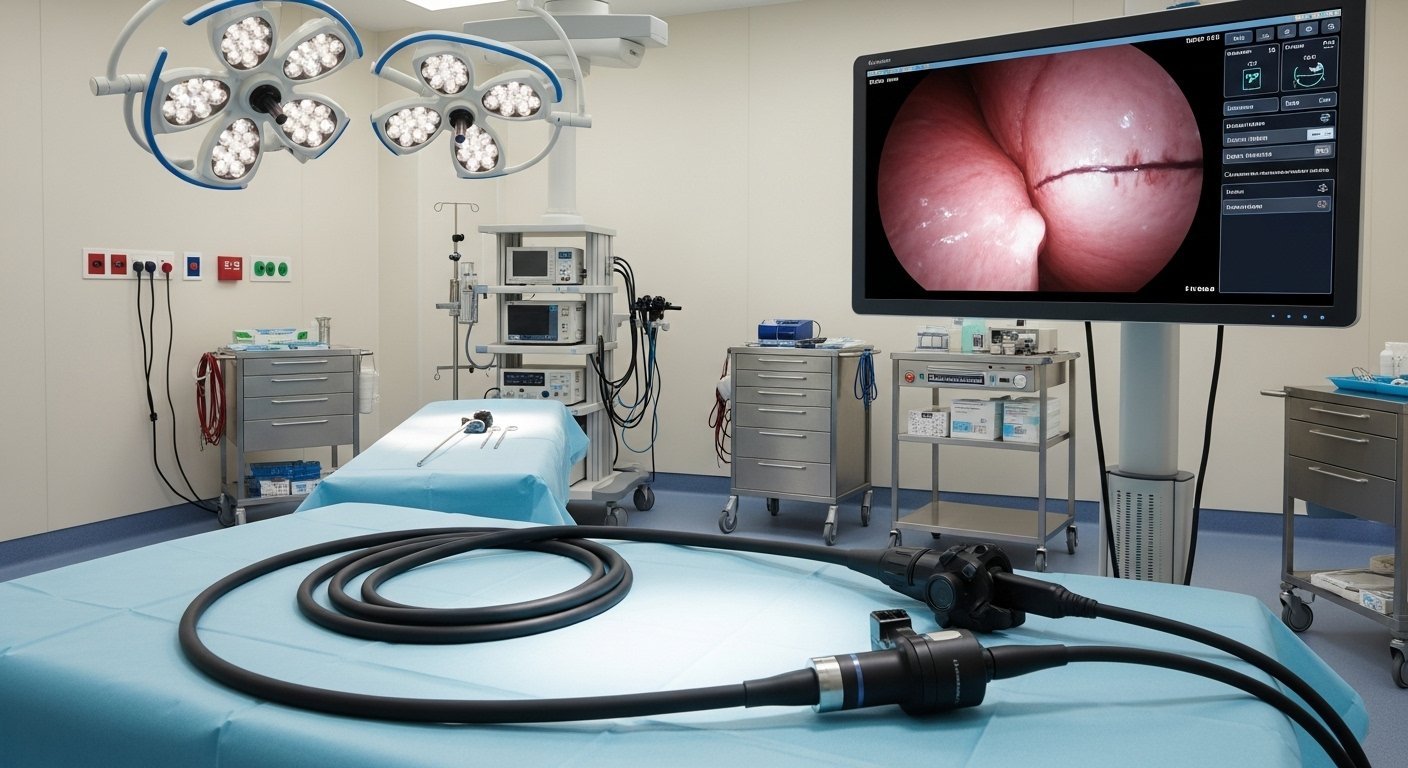
Can a simple 30-minute procedure prevent one of the most common cancers worldwide? A gastroenterologist performs colonoscopy using a flexible tube with a camera to examine the entire colon, detecting polyps, inflammation, or cancerous changes that aren’t visible through other tests. The procedure takes 20-30 minutes under sedation and allows immediate removal of polyps during the same session. Singapore follows international guidelines recommending colonoscopy every 10 years for average-risk individuals, with modified schedules for those with family history or previous polyp findings.
Age-Based Screening Guidelines
Singapore’s colorectal screening program recommends first colonoscopy at age 50 for average-risk individuals. Those with immediate family members diagnosed with colorectal cancer should begin screening 10 years before the age their relative was diagnosed, or at age 40, whichever comes first. For example, if your parent was diagnosed at age 45, your screening should begin at age 35.
Individuals with hereditary cancer syndromes like Lynch syndrome or familial adenomatous polyposis (FAP) require specialized screening protocols starting as early as age 20-25. Genetic testing helps identify these high-risk individuals who need annual or biennial colonoscopies rather than the standard 10-year interval.
After age 75, the decision to continue screening becomes individualized based on overall health status, life expectancy, and previous screening results. Gastroenterologists assess whether the potential benefits outweigh procedural risks for elderly patients, particularly those with multiple medical conditions.
The interval between colonoscopies varies based on findings:
- Clean colonoscopies allow 10-year intervals
- Detection of 1-2 small polyps typically requires repeat screening in 5-7 years
- Large polyps or multiple adenomas necessitate follow-up colonoscopy within 3 years
Warning Symptoms Requiring Immediate Evaluation
Blood in stool appears as bright red streaks on toilet paper, dark red mixed with stool, or black tarry stools indicating upper digestive tract bleeding. While hemorrhoids cause similar symptoms, distinguishing between benign and serious causes requires colonoscopy examination. Healthcare professionals evaluate bleeding patterns, associated symptoms, and duration to determine urgency.
Persistent changes in bowel habits lasting more than two weeks warrant investigation. These changes include:
- New-onset constipation
- Diarrhea
- Alternating patterns between both
Stool caliber changes, particularly pencil-thin stools, suggest potential obstruction requiring evaluation. Normal variation in bowel habits occurs with diet changes or stress, but consistent alterations indicate underlying pathology.
Unexplained abdominal pain, particularly when localized to specific regions or associated with bowel movements, requires colonoscopy assessment. Left-sided pain often relates to sigmoid colon issues, while right-sided discomfort may indicate cecal or ascending colon problems. Pain patterns, timing, and relieving factors help healthcare professionals determine colonoscopy urgency.
Unintentional weight loss combined with digestive symptoms signals potential malignancy or inflammatory conditions. Iron deficiency anemia discovered through routine blood tests, especially in men and postmenopausal women, often stems from occult gastrointestinal bleeding detectable only through colonoscopy.
Medical Conditions Increasing Colonoscopy Need
Inflammatory bowel disease (IBD) patients require surveillance colonoscopy starting 8-10 years after diagnosis. Ulcerative colitis affecting the entire colon and Crohn’s disease involving significant colonic segments carry increased cancer risk. Surveillance intervals range from 1-3 years depending on disease extent, duration, and presence of primary sclerosing cholangitis.
Previous polyp removal necessitates surveillance colonoscopy based on polyp characteristics. Hyperplastic polyps under 10mm require standard screening intervals, while adenomatous polyps demand closer monitoring. Advanced adenomas – those larger than 10mm, with villous features, or high-grade dysplasia – require colonoscopy within 3 years. Multiple polyps (3-10 adenomas) also warrant 3-year surveillance.
💡 Did You Know?
Sessile serrated polyps, once considered benign, now receive similar surveillance attention as traditional adenomas due to their malignant potential through alternative molecular pathways.
Patients with acromegaly face increased colorectal cancer risk requiring colonoscopy at diagnosis and every 3-5 years thereafter. Similarly, individuals with previous ureterosigmoidostomy need annual flexible sigmoidoscopy starting 10 years post-surgery due to increased cancer risk at the anastomotic site.
Family history beyond first-degree relatives influences screening recommendations. Two or more second-degree relatives with colorectal cancer warrant earlier screening consideration, though guidelines remain less defined than for first-degree relative involvement.
Pre-Colonoscopy Preparation Requirements
Bowel preparation begins 2-3 days before colonoscopy with dietary modifications. Low-fiber diet restrictions eliminate nuts, seeds, whole grains, and raw vegetables. Clear liquid diet starts 24 hours before the procedure, permitting only transparent fluids like clear broths, apple juice, and black coffee.
Laxative solutions prescribed by gastroenterologists typically involve polyethylene glycol (PEG) preparations consumed in split doses. The first dose taken the evening before colonoscopy induces initial bowel cleansing, while the second dose 4-6 hours before the procedure ensures visualization. Adequate hydration with clear fluids prevents dehydration during preparation.
Medication adjustments require careful coordination. Blood thinners like warfarin may need temporary cessation, while newer anticoagulants may require holds. Diabetic medications, particularly metformin and insulin, may need dose adjustments during the fasting period. Iron supplements may need to be stopped before the procedure as they can darken stool and affect visualization. A healthcare professional should provide specific guidance on medication timing and adjustments.
⚠️ Important Note
Inadequate bowel preparation can miss lesions and require repeat procedures. Following preparation instructions as directed by your healthcare provider helps ensure successful examination.
Post-Colonoscopy Follow-Up Protocols
Immediate post-procedure recovery takes 30-60 minutes as sedation effects wear off. Gastroenterologists discuss preliminary findings immediately, though biopsy results require 5-7 days for histopathological analysis. Polyp removal sites may cause minor bleeding for 1-2 days, considered normal unless bleeding becomes heavy or persistent.
Surveillance intervals depend on colonoscopy findings and polyp histology. Normal examinations without polyps allow return to standard 10-year screening. Small hyperplastic polyps in the rectosigmoid region don’t alter screening intervals. However, proximal hyperplastic polyps or those exceeding 10mm require closer monitoring similar to adenomas.
Advanced adenoma findings trigger intensive surveillance protocols. Single advanced adenoma requires colonoscopy in 3 years, while multiple advanced features may warrant earlier evaluation. Piecemeal resection of large polyps necessitates follow-up colonoscopy within 6 months to ensure complete removal.
Registry enrollment helps track surveillance schedules and sends automated reminders. Individual clinics often manage their own surveillance databases for polyp follow-up.
What Our Colorectal Surgeon Says
Colorectal surgeons work closely with gastroenterologists when colonoscopy reveals findings requiring surgical intervention. Large polyps unsuitable for endoscopic removal, malignant lesions, or complications from inflammatory bowel disease often necessitate surgical consultation. The multidisciplinary approach ensures seamless transition from diagnosis to treatment.
Current colonoscopy techniques like chromoendoscopy and narrow-band imaging enhance polyp detection. These technologies help identify flat lesions previously missed by conventional white-light colonoscopy. Surgeons value these imaging modalities when planning surgical approaches for complex polyps.
The relationship between gastroenterologist findings and surgical planning remains important. Accurate polyp localization through tattoo marking during colonoscopy guides minimally invasive surgical approaches. This coordination reduces operative time and improves surgical outcomes.
Putting This Into Practice
- Schedule screening colonoscopy at age 50, or earlier based on family history calculations
- Document specific symptoms including stool changes, bleeding patterns, and pain characteristics before consultation
- Compile complete family cancer history including ages at diagnosis for risk assessment
- Review current medications with your gastroenterologist to plan appropriate pre-procedure adjustments
- Arrange transportation for colonoscopy day as sedation prevents driving for 24 hours
When to Seek Professional Help
- Visible blood in stool or on toilet paper
- Black, tarry stools suggesting upper tract bleeding
- Persistent diarrhea or constipation exceeding two weeks
- Unexplained weight loss with digestive symptoms
- Abdominal pain with bowel movement changes
- Iron deficiency anemia without obvious cause
- Reaching age 50 without prior screening
- Family history of colorectal cancer in immediate relatives
- Previous polyp removal requiring surveillance
- Inflammatory bowel disease diagnosed 8+ years ago
Commonly Asked Questions
How long does colonoscopy recovery take?
Most patients resume normal activities within 24 hours after colonoscopy. Sedation effects wear off within 2-4 hours, though reflexes remain impaired for the full day. Mild bloating from air insufflation resolves within hours. Diet returns to normal immediately unless polyps were removed, which may require avoiding nuts and seeds for one week.
Can virtual colonoscopy replace traditional colonoscopy?
CT colonography (virtual colonoscopy) uses imaging to examine the colon without scope insertion. However, it cannot remove polyps or take biopsies, requiring traditional colonoscopy if abnormalities appear. Radiation exposure and lower sensitivity for flat polyps make it suitable only for specific situations where traditional colonoscopy poses high risk.
What’s the difference between gastroenterologist and colorectal surgeon for colonoscopy?
Both specialists perform colonoscopy. Gastroenterologists typically handle screening and surveillance colonoscopy, while colorectal surgeons often perform colonoscopy for surgical planning or post-operative surveillance. Choose based on your specific needs and whether surgical intervention seems likely.
How often should colonoscopy occur with family history?
First-degree relatives with colorectal cancer warrant colonoscopy every 5 years starting at age 40 or 10 years before the relative’s diagnosis age. Multiple affected relatives or diagnosis before age 60 may require more frequent screening. Genetic counseling helps determine optimal surveillance intervals for hereditary syndromes.
Does colonoscopy detect all colon problems?
Colonoscopy identifies structural abnormalities including polyps, tumors, inflammation, and vascular malformations. However, it cannot diagnose functional disorders like irritable bowel syndrome or microscopic colitis without biopsy. Small bowel conditions beyond the terminal ileum remain outside colonoscopy’s reach.
Next Steps
Age-based screening at 50 and symptom recognition enable early colorectal cancer detection. Follow surveillance schedules based on polyp findings and maintain family history documentation for risk assessment.
If you’re experiencing persistent bowel changes, rectal bleeding, or unexplained abdominal pain, consult a qualified colorectal surgeon for comprehensive colonoscopy evaluation. You can also learn more about the procedure in our complete guide to colonoscopy in Singapore.